Carpet Cleaning in NW1

Carpet Cleaning NW1 is a focused service for homes and workplaces that need fibres cleaned with care, attention and the right method for the surface in front of us. Our work covers routine maintenance, deeper restorative cleaning and practical stain treatment for common everyday soiling. When carpets are looked after well, they feel fresher underfoot, keep their appearance for longer and are easier to maintain between visits. We tailor the approach to the material, the level of wear and the type of build-up present.
We clean fitted carpets, stair runners, mats and other textile floor coverings using methods suited to the pile and condition. That can include hot water extraction, lower-moisture cleaning for more delicate situations, and careful pre-treatment where marks need extra attention. The aim is always the same: remove embedded dirt, lift residue from regular use and leave the surface finished neatly rather than over-wet or uneven. Carpet cleaning is best approached as a process, not a single pass, and the result depends on preparation as much as on the final extraction.
If you need help choosing the right approach, send over the basics and ask for a quotation. A clear outline of the carpet type, the rooms involved and any noticeable stains makes it easier to suggest a sensible method. You do not need to know the technical term for every fibre; simple details are enough to begin a useful conversation. For a broader clean that reaches more than one surface, we can also discuss related options alongside the main job.
What our carpet cleaning service covers
Good carpet cleaning starts with inspection, because the same machine setting is not suitable for every room. We look at traffic wear, fibre type, colourfastness and previous treatment before deciding how to proceed. In practical terms, that means the process can vary from one property to the next, even where the rooms look similar at first glance. Spills, dust, tracked-in grit and dulling all respond differently, so the work is adjusted to avoid unnecessary agitation or residue.
Where carpets have gathered loose soil, vacuuming and targeted pre-treatment help prepare the pile for a deeper clean. Where there are food or drink marks, the approach depends on how long they have been present and whether they have been scrubbed already. We do not promise that every mark will disappear, because some stains alter fibres or dyes permanently, but a suitable method can often improve the appearance significantly and leave the carpet feeling more even and refreshed.
Choosing the right cleaning method
Method matters because carpets are built differently. Wool, synthetic blends and textured piles each react in distinct ways to moisture, temperature and agitation. A careful cleaner will avoid over-wetting, stretching or residue that can attract new dirt too quickly. In some situations a slower, more controlled clean is preferable, especially where the carpet is older, lightly fitted, or has been treated before with an unknown product. The choice is practical rather than fashionable.
Stains, smells and high-traffic areas

One of the most useful parts of professional carpet care is dealing with the places that wear first. Hallways, landings, reception areas and room entrances tend to gather soot, grit and repeated footfall marks more quickly than quieter sections. These areas often look tired before the whole carpet needs replacing, so targeted cleaning can be worthwhile. We use safe preparation and controlled extraction to reduce the dull, grey appearance that often builds up in these zones.
Spot treatment is also important for spills, but it needs judgement. A stain on a wool carpet is not managed in the same way as a stain on a man-made fibre, and rubbing at the wrong time can spread the issue instead of improving it. Careful rinsing, suitable detergents and measured dwell time are often more effective than force. If there is a persistent odour from everyday use, cleaning the fibres thoroughly can help reduce it, though we avoid making claims that go beyond what the carpet itself will allow.
For jobs that involve more than one room, it helps to group the work logically so the cleaning follows the best route through the property. Deep cleaning can be a helpful option where the carpet has not been professionally maintained for a while, while a lighter treatment may suit areas that are regularly cared for but need a freshen-up. The right choice depends on condition, not on a fixed package.
Domestic carpets and busy family spaces
Homes often need carpet cleaning for very ordinary reasons: children bring in soil from outside, pets shed hair, and everyday movement drives grime deeper into the fibres. Living rooms, bedrooms and hallways can all benefit from a proper clean, especially where the carpet has started to look flat or marked in the paths people use most. We focus on lifting the accumulation that regular vacuuming cannot remove alone, while keeping the work appropriate for the home setting.
Different rooms often require different handling. A lounge carpet may need attention to drink spills and general traffic, while a bedroom carpet may simply need a thorough freshen-up and careful extraction. Where furniture has been moved already, that helps access the full area; where it has not, the clean can still be planned around the layout. If you want the best result, a short note about fibre type, visible marks and access arrangements will usually be enough to start the quotation process sensibly.
- Pre-treatment for heavily used walkways
- Careful stain work for food and drink marks
- Extraction suited to the carpet’s condition
- Freshening for bedrooms, lounges and family rooms
Commercial carpet care for offices and shared areas

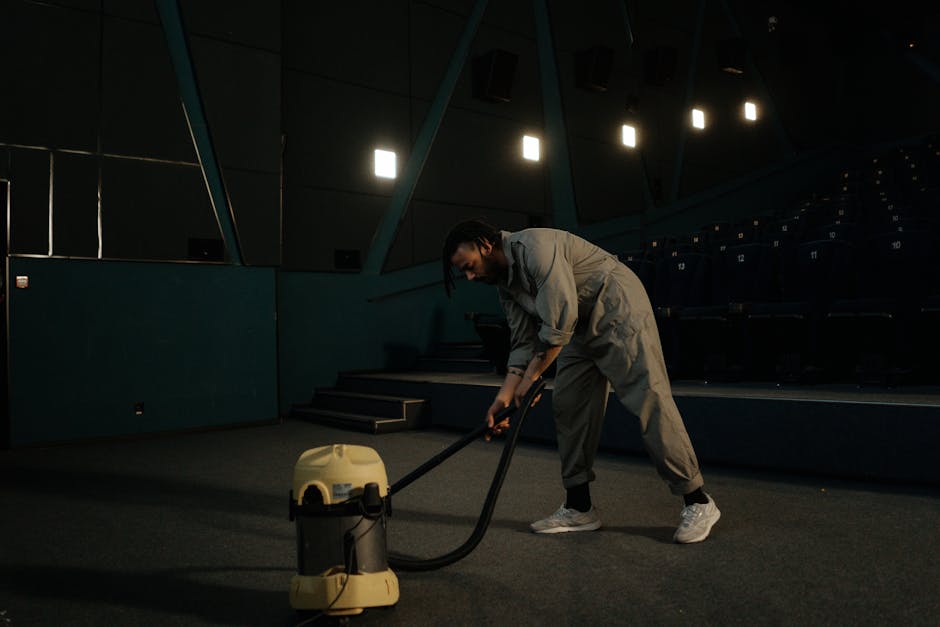
Carpet cleaning in workplaces needs a more controlled schedule and a tidy finish. Offices, meeting rooms, corridors and waiting areas often collect a mix of fine dust, heel wear and spill marks. The work has to be practical around furniture, cables and access routes, and the chosen method should fit the floor covering without disrupting the room more than necessary. A well-planned clean can help keep shared areas presentable and more comfortable for staff and visitors.
Commercial carpets are not always the same across a building, so a corridor with dense traffic may need a different treatment from a carpet tile area in a quieter room. We can focus on specific trouble spots first, then work through larger sections in an orderly way. Where there are managed premises or multi-room offices, it can also be sensible to plan the cleaning by zone. That keeps the process organised and makes it easier to return to normal use once the work is complete.
If your premises need a wider clean alongside the floors, office cleaning may be relevant as a broader service, while carpet-only work remains the right choice where the flooring is the main concern. For some properties, a one-off visit is enough; for others, the best result comes from periodic maintenance timed around usage. Either way, the carpet itself should guide the method and the schedule.
Rugs, upholstery and other fabric surfaces
Many customers want more than one textile surface cleaned at the same time, because rugs, sofas and chairs often collect similar dirt in different forms. We can address rugs that have become dull at the edges, upholstery that has absorbed everyday use, and floor coverings that need more careful handling than wall-to-wall carpet. The principle is to match the cleaning method to the fabric structure and dye stability, rather than treating everything as though it were identical.
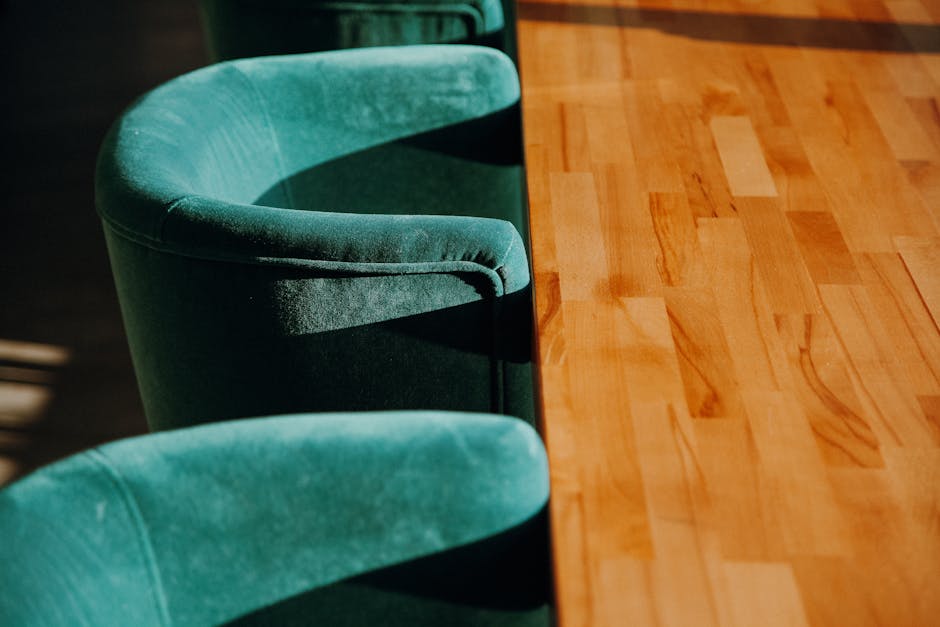
Rug cleaning can be particularly varied, because construction matters: some rugs are thin and machine-made, while others are thicker, more decorative or more sensitive to moisture. Upholstery needs equally cautious treatment, especially where seams, arms and cushions have different levels of wear. When multiple surfaces are cleaned together, the order of work matters and so does drying management. Rug cleaning and upholstery cleaning can both be useful additions where the room needs an overall refresh rather than a single isolated treatment.
We also handle related soft furnishings where suitable, including items that have gathered dust, pet hair or general dulling from daily use. Sofa cleaning is often chosen where seating has become tired in appearance, while carpet cleaning remains the main task where the floor surface is the priority. A sensible plan keeps the fabrics separate enough to avoid cross-contamination and detailed enough to get the best from each one.
About NW1

NW1 is a north-west London postcode district that includes a varied stretch of central and inner-London neighbourhoods, with Camden as one of its best-known anchors. The area is shaped by a mixture of residential streets, long-established transport links and large institutional sites, alongside busy commercial corridors. Regent’s Park forms one of the district’s major green edges, while smaller squares, terraces and side streets give the area a layered urban character. The district’s geography is not uniform: it reaches across parts of Camden Town, Regent’s Park, Primrose Hill and surrounding streets, each with its own street pattern and atmosphere.
The history of the area is closely tied to London’s expansion in the eighteenth and nineteenth centuries, when planned terraces, garden squares and later rail connections changed the shape of the district. Around Camden, the arrival of canals and industry helped create a busier working landscape, while nearby residential areas developed with more formal architecture and private squares. Today the district contains a mix of Georgian and Victorian buildings, later apartment blocks and converted commercial premises, which together create a varied streetscape. Cultural life is equally mixed, with theatres, music venues, markets and museums all contributing to the wider identity of the postcode.
Several landmarks are associated with the district and its immediate surroundings. Regent’s Park provides open space, tree-lined walks and major cultural institutions nearby, while the canal network adds a distinctive transport and leisure corridor through parts of the area. Camden Market and the wider Camden Town scene have long attracted visitors for shopping, food and live entertainment, and nearby stations connect the district to the rest of the city. The result is an area that combines dense urban activity with pockets of quieter residential formality, making NW1 one of London’s more recognisable inner districts.
How we approach domestic and commercial visits
Before cleaning begins, the most useful information is usually straightforward: what type of carpet is involved, which rooms need attention and whether there are any marks, odours or previous treatments to be aware of. That allows the work to be matched to the carpet rather than forced into a standard routine. In many cases, simple access and clear note-taking are enough to avoid delays. If a room is especially full, or if there are fragile furnishings nearby, that is worth mentioning early.
For larger properties or mixed-use premises, it can help to prioritise the most visible or heavily used areas first. Hallways, entrances and reception spaces often need more frequent attention than bedrooms or low-traffic rooms, so a sensible order saves repetition. It is also helpful to know whether the carpet is wall-to-wall, fitted as runners, or part of a sectioned layout with thresholds and joins. If you are comparing approaches, keep the focus on what the fibre and room actually need.
Price factors to consider
Quotation details are shaped by the size of the area, the carpet construction, the amount of soiling and any added stain work that may be needed. Stairs, awkward access and specialist pre-treatment can also affect the time involved. A clear description lets us give a more relevant quotation and reduces guesswork. Accurate details help everyone, especially where the carpet includes mixed materials or delicate sections that need a gentler process.
Related cleaning options when the carpet is part of a wider job
Sometimes the carpet is only one part of a broader cleaning requirement. After builders work, one-off refreshes and end-of-tenancy visits can all create extra soil that reaches into fabrics and soft surfaces as well as hard floors. In those situations, it may make sense to look at the full room or property rather than the carpet alone. That does not mean every surface needs the same treatment, only that the work plan should reflect how the property is actually used and how much residue is present.
After builders cleaning can be useful where dust and fine debris have settled into fibres, while one-off cleaning may suit homes or premises that need a strong reset without moving into a routine schedule. For tenanted properties, end of tenancy cleaning may bring carpet care together with other tasks needed before handover. Each of these services is different, but carpet cleaning remains an important part of the final finish where flooring has absorbed the most visible wear.
If you would like a practical next step, ask for a quotation and describe the carpeted areas you want cleaned. We can then discuss the method that makes most sense for the fibre, the room and the level of use. Ready when you are — send the details and we will help you move the job forward.
Finishing touches, drying and care after the clean
The final stage of carpet cleaning is not just about appearance; it is also about allowing the fibres to settle correctly after moisture and agitation. Good drying depends on carpet type, room ventilation and how much product has been used during the process. We aim to leave the surface as even as possible and to avoid unnecessary residue, because a carpet that dries badly can look patchy or feel sticky underfoot. The result should be clean, not overworked.
After cleaning, it is sensible to keep foot traffic modest until the carpet has dried properly, especially around access points and corners where moisture can linger a little longer. If furniture is returned too quickly, it can mark the pile before it has finished settling. We do not overstate timing because conditions differ from one property to another. What matters is that the carpet has been cleaned thoroughly and left in a condition that supports sensible aftercare.
Pricing and quotes can help when you want to compare the scale of the job before booking, and contact us is the final step when you are ready to request a quotation. If you already know the rooms involved, the carpet type and any particular concerns, send those details through and we will take it from there.