Kilburn High Road upholstery cleaning guide for Brent homes
If your sofa has started to look a little tired, or the dining chairs in your Brent home are holding onto everyday spills and that unmistakable "lived-in" smell, you are in the right place. This Kilburn High Road upholstery cleaning guide for Brent homes walks you through how upholstery cleaning actually works, what to expect, and how to keep fabric furniture looking decent for longer. Truth be told, most people wait until a stain becomes a problem. That is usually when cleaning gets harder, not easier.
Whether you are near Kilburn High Road itself, in a flat above the shops, or in a family home a bit further into Brent, upholstery takes a beating. Dust, pet hair, skin oils, food crumbs, traffic grime drifting in from busy roads, and the occasional cup of tea mishap all build up. This guide keeps things practical. No fluff, no hype. Just sensible advice that helps you decide when to spot clean, when to book a deeper clean, and what to avoid if you want your fabric furniture to last.
For readers who want a broader overview of professional fabric care, the upholstery cleaning service and related sofa cleaning options can be useful starting points.
Why Kilburn High Road upholstery cleaning guide for Brent homes matters
Upholstery is one of those things you stop noticing until it looks dull, feels sticky, or starts holding onto odours. In Brent homes, that happens for all sorts of ordinary reasons. Busy family life, smaller flats with less ventilation, shoes coming in and out, pets jumping on the settee, and the general pace of London living all add up. Kilburn High Road makes the local context even more obvious: there is a steady flow of outdoor dust and traffic particles, and that can settle indoors more easily than many people expect.
Clean upholstery does more than improve appearance. It can make a room feel fresher, reduce visible wear, and help keep furniture in service for longer. That last point matters. Replacing a decent sofa or armchair is expensive, and if the fabric is still structurally sound, cleaning is often the more sensible move. To be fair, that is the kind of practical decision most households appreciate.
There is also the hygiene side. Fabric can trap allergens, body oils, pet dander, and crumbs. You might not see them, but you will notice the effect eventually. A chair that looks "fine" can still feel stale. That is why regular upholstery maintenance is worth thinking about, not just emergency stain removal. For homes that also need wider upkeep, a deep cleaning approach can sit nicely alongside fabric care.
And there is a subtle but important local angle. Brent households often combine older furniture with modern fabrics, and not every material reacts the same way. A method that works on a sturdy synthetic sofa may be risky on a delicate velvet armchair. So the "why" here is really about making better decisions, not just making things look nicer for a weekend.
How Kilburn High Road upholstery cleaning guide for Brent homes works
Professional upholstery cleaning is usually a staged process. First comes inspection, then fabric identification, then pre-treatment, then the main clean, and finally drying and finishing. That sounds formal, but in real life it is mostly careful, patient work. A good cleaner will check for colourfastness, obvious wear, previous repairs, and any labels or care instructions before touching the fabric with water or detergent.
The exact method depends on the furniture. Some upholstery can be cleaned with a low-moisture extraction technique. Others need gentler agitation and controlled foam or encapsulation. Certain delicate fabrics may only be suitable for careful surface cleaning, and some items are better left to specialist treatment. The key point is simple: upholstery is not one-size-fits-all. It never really has been.
Here is the usual flow, in plain English:
- Inspection: identify the fabric, check stains, and note high-wear areas such as armrests and seat cushions.
- Testing: apply a small amount of solution in a hidden spot to see how the material reacts.
- Pre-treatment: loosen soil, treat stains, and break down oils or sticky residue.
- Main cleaning: use the most suitable method for the fabric and condition.
- Rinse or extraction: remove as much residue as possible so the upholstery does not attract dirt again too quickly.
- Drying: speed up airflow and avoid over-wetting.
- Final check: inspect for missed marks, wicking, or areas that need a second pass.
For bigger households, the process often overlaps with furniture cleaning across multiple rooms. That is where joining it up with domestic cleaning support can make sense, especially if you want the whole home to feel reset rather than only one piece of furniture.
A useful rule of thumb: the dirtier the upholstery, the slower and more careful the cleaning should be. Rushing fabric cleaning is how you get rings, patchy drying, or that slightly crunchy feel no one wants.
Key benefits and practical advantages
The obvious benefit is visual. Clean upholstery looks brighter, fresher, and more cared for. But there are a few less obvious wins too.
- Longer furniture life: removing grit and body oils reduces abrasion and fabric breakdown.
- Better smell: food odours, pet smells, and everyday "house" scent are reduced.
- More comfortable living space: a clean sofa just feels better to sit on, simple as that.
- Improved presentation: helpful if you are hosting guests, renting out a property, or preparing for photos.
- Less visible staining: even older marks often look lighter after the right treatment.
For Brent homes in particular, there is also a practical lifestyle benefit. Many residents have busy schedules and compact living spaces. Furniture works harder in those conditions. When a sofa is the main seating area, the main reading spot, and sometimes the dinner-table-adjacent snack station, it accumulates wear fast. Cleaning is not vanity. It is upkeep.
Expert summary: The best upholstery cleaning is the kind that protects fabric first and makes it look better second. If a method is too aggressive for the material, the "clean" result may come with hidden damage later.
Where the rest of the home needs attention too, pairing upholstery work with house cleaning or targeted one-off cleaning can create a more noticeable result than furniture cleaning alone.
Who this is for and when it makes sense
This guide is relevant for a lot more people than you might think. If any of the situations below sound familiar, upholstery cleaning is probably worth considering sooner rather than later.
- Families with children: spills, sticky fingers, snacks, and the odd art project gone wrong.
- Pet owners: fur, paw marks, odours, and the occasional accident.
- Renters: especially if you want the property to look tidy and well cared for before moving out.
- Homeowners: if furniture is part of a longer-term setup and you want to protect it.
- People with allergies or sensitivity to dust: fabric can hold on to particles that irritate indoor air quality.
- Anyone with visible staining: tea, coffee, wine, makeup, body oils, or general grime.
There are also times when the answer is "yes, now" rather than "sometime soon." If a sofa has a fresh spill, if an upholstered dining chair is absorbing a smell, or if the fabric is starting to look patchy in everyday light, acting early usually gives better results. By the way, natural daylight from a south-facing window can be brutally honest. It shows everything.
For end-of-tenancy situations, upholstery cleaning is often part of a broader reset alongside end of tenancy cleaning. That combination can save a lot of last-minute stress.
Step-by-step guidance
If you want to clean upholstery well, the process matters. Here is a practical approach that works for most Brent households and avoids the common shortcuts that cause trouble.
-
Check the care label first.
Look for cleaning codes or fabric instructions. If the label is missing, faded, or confusing, treat the item cautiously. When in doubt, test in a hidden area. That tiny step can save a lot of regret.
-
Vacuum thoroughly.
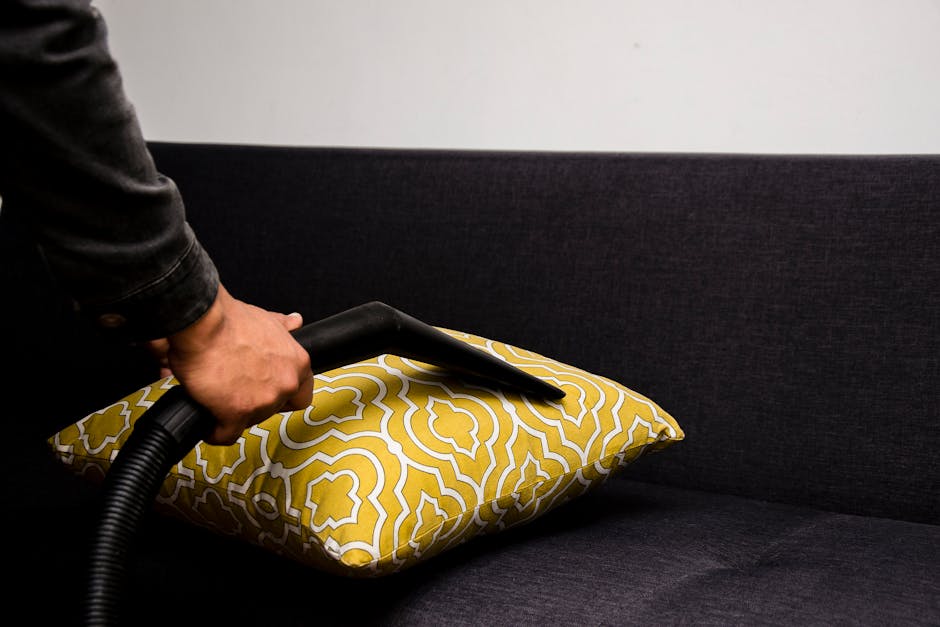
Use the upholstery attachment and get into seams, creases, under cushions, and along the back panel. Dry soil is easier to remove before it turns into muddy residue during cleaning.
-
Spot-check the stains.
Different marks need different treatment. Protein-based stains, grease, drink spills, and ink all behave differently. Blot, do not rub. Rubbing tends to push the stain deeper and rough up the fibres.
-
Pre-treat carefully.
Apply the right solution sparingly. Over-wetting is a common mistake, especially on cushions and stitched seams. Less is often more here. A little patience goes a long way.
-
Clean in sections.
Work methodically from one area to the next. This helps avoid missed patches and visible tide marks. If a larger sofa is involved, do one cushion or one panel at a time.
-
Control moisture.
Fabric should be damp, not soaked. Too much moisture can slow drying and increase the chance of watermarks or odours. Nobody wants that wet-dog smell from a sofa. Nobody.
-
Improve airflow while drying.
Open windows if the weather allows, and keep the room ventilated. Avoid using heat too aggressively. Gentle airflow is usually safer than trying to rush the process.
-
Brush or reset the pile if needed.
Some fabrics benefit from a light finishing brush once they are dry. It can help restore the look and reduce that flattened, cleaned-but-not-quite-finished appearance.
If you are cleaning more than upholstery, or planning a broader refresh across the home, consider pairing the work with professional carpet cleaning and, where appropriate, hard floor cleaning. The room tends to feel more complete when the soft and hard surfaces are tackled together.
Expert tips for better results
Most upholstery problems are not caused by dramatic disasters. They are caused by small habits repeated over time. The good news is that a few simple habits make a big difference.
- Vacuum weekly if the furniture gets heavy use. It is boring, yes, but it helps a lot.
- Blot spills immediately. A clean white cloth or plain absorbent towel is better than reaching for random kitchen paper and hoping for the best.
- Rotate seat cushions. This prevents one side from wearing much faster than the rest.
- Keep food and drinks under control on fabric seating. Not banished forever, just handled with a bit of common sense.
- Use the gentlest method that solves the problem. Aggressive cleaning is not automatically better cleaning.
- Plan cleaning before the weather turns very damp. In a wet London spell, drying can take longer, especially in older homes or lower-ground flats.
A small but useful tip: if your fabric has a shiny patch or a darkened zone on the arm, that is often body oil and regular transfer, not just "dirt". It usually needs more than surface wiping. That is where a proper deep clean earns its keep.
And one more thing. If the furniture is antique, handmade, or especially delicate, it may be smarter to slow down and ask for specialist advice rather than trying to treat it like everyday polyester. A quick decision now can prevent a costly repair later.
Common mistakes to avoid
Upholstery cleaning looks straightforward until something goes wrong. The same mistakes crop up again and again, and they are usually avoidable.
- Using too much water: this is probably the most common issue. It can lead to lingering dampness, watermarks, and odours.
- Scrubbing stains hard: this damages the fibres and spreads the stain. Blotting is safer.
- Skipping a test patch: a cleaner that works on one fabric can ruin another. Testing is not optional with unknown upholstery.
- Mixing products: never combine cleaners unless you know exactly what you are doing.
- Ignoring drying time: sitting on a still-damp sofa can flatten the pile and slow the finish.
- Cleaning only the obvious stain: spot-treating one patch can leave the rest of the furniture looking uneven.
There is also the "too-late" mistake. People wait until a stain has set for weeks or months and then expect a quick miracle. Sometimes improvement is still very possible, but the odds are better if you act early. That's just reality, a slightly annoying one.
For households where furniture, carpets, and general mess all need a reset, a coordinated cleaning company approach can be more efficient than tackling everything separately.
Tools, resources and recommendations
You do not need a van full of kit to keep upholstery in decent shape. A small, sensible toolkit is usually enough for home maintenance between deeper cleans.
| Tool or item | What it helps with | Best use |
|---|---|---|
| Upholstery vacuum attachment | Dust, crumbs, pet hair | Weekly maintenance and seam cleaning |
| Microfibre cloths | Blotting spills, light surface cleaning | Immediate response to fresh marks |
| Soft brush | Loosening surface debris, lifting fabric pile | Final finishing after cleaning |
| Plain absorbent towel | Reducing moisture after spot treatment | Drying and blotting |
| Appropriate upholstery cleaner | Stain treatment and routine cleaning | Only after fabric compatibility is checked |
For many Brent homes, the best "resource" is not a product at all. It is a cleaning plan. Keep a small stain kit somewhere sensible, schedule regular vacuuming, and avoid putting off obvious marks. That really is half the battle.
When you need a broader service picture, pages such as carpet cleaner support and cleaners for home upkeep can help you think through the bigger job, especially if upholstery is just one part of the property.
Law, compliance, standards, or best practice
For domestic upholstery cleaning, there is usually no special licensing requirement for the homeowner. But there are still sensible standards and best practices to respect. In the UK, fabric care should be done in a way that avoids unnecessary damage, uses products safely, and follows manufacturer guidance where it exists. That sounds obvious, though it is surprising how often it gets ignored.
If you are hiring a cleaner, it is reasonable to expect clear communication about methods, drying times, and any limitations with delicate fabrics. A trustworthy provider should be able to explain what they will do, what they will not do, and why. That is not overkill. It is basic professionalism.
Health and safety matters too. Cleaning chemicals should be handled carefully, especially in homes with children, pets, or anyone with respiratory sensitivity. Proper ventilation, sensible dilution, and cautious spot-testing are all part of good practice. If a product smells aggressive enough to make your eyes water, it probably needs a second thought.
For residents comparing service standards, it can also help to review company policies around care and conduct. Useful pages include the insurance and safety information, health and safety policy, and terms and conditions. Those do not clean a sofa by themselves, of course, but they do help you judge how seriously a company takes the job.
Options, methods, or comparison table
Different upholstery cleaning methods suit different fabrics and different levels of soil. The right choice depends on the item, not just on the stain. Here is a simple comparison.
| Method | Best for | Pros | Limits |
|---|---|---|---|
| Vacuum-only maintenance | Light dust and everyday debris | Fast, safe, low risk | Will not remove set stains or odours |
| Spot cleaning | Fresh spills and isolated marks | Quick and targeted | Can leave tide marks if done badly |
| Low-moisture cleaning | Routine fabric refresh, moderate soil | Shorter drying time, less saturation | May not fully shift heavy contamination |
| Extraction cleaning | Deeper soil, heavy-use upholstery | Strong soil removal, effective rinse | Needs careful moisture control |
| Specialist delicate-fabric treatment | Velvet, silk blends, sensitive upholstery | Safer for fragile materials | May be slower and more limited in stain removal |
There is no universal winner here. A family sofa with daily use often benefits from one method, while a decorative chair near the window may need another. If you are unsure, that is normal. Fabric can be surprisingly fussy.
Some homes also need related work in adjoining spaces. In those cases, a blend of rug cleaning and upholstery care can be a smarter plan than handling each item in isolation.
Case study or real-world example
Here is a common Brent scenario. A family in a Kilburn flat notices that their two-seater sofa looks darker on the arms and seating area, even though no single stain stands out. There is also a faint smell after dinner time, probably from a mix of cooking aromas, pet contact, and day-to-day use. Nothing dramatic. Just a slow build-up.
They start with vacuuming, which removes a surprising amount of dust and crumbs from the seams. Then they test a small hidden section before treating the fabric more widely. The arms respond well, but the seat cushions show signs of heavier soil, so those are cleaned more carefully and given extra drying time. A light brush restores the fabric texture once it is dry. The result is not "brand new", because honest cleaning rarely is, but the sofa looks brighter and feels fresher. The whole room changes a bit. You notice it when you sit down.
What made that job go well was not a miracle product. It was patience, fabric testing, and not overdoing the moisture. Small thing, big difference. If the same household had tried to scrub the arms with a random spray and a kitchen sponge, the result would almost certainly have been worse.
That is why many households choose to bundle upholstery with broader home care such as home cleaners or a one-off refresh when the place needs a proper reset.
Practical checklist
Use this quick checklist before you clean upholstered furniture at home or arrange a professional visit.
- Check the care label or note any fabric restrictions.
- Vacuum all seams, corners, and under cushions.
- Identify the type of stain before treating it.
- Test any product in a hidden area first.
- Use as little moisture as possible to do the job.
- Blot, do not rub.
- Allow enough drying time before using the furniture again.
- Keep pets and children off the item while it dries.
- Refresh cushions and rotate them regularly.
- Book a deeper clean when the furniture starts to look tired, not after it is beyond saving.
That last point matters more than people think. Early action is usually cheaper, easier, and much less stressful. And yes, less faff too.
Get a free quote today and see how much you can save.
Conclusion
A good Kilburn High Road upholstery cleaning guide for Brent homes should help you do two things: keep your furniture looking better for longer, and avoid the mistakes that make cleaning harder than it needs to be. The main takeaway is straightforward. Match the method to the fabric, act early on stains, and do not drown the upholstery in product or water. That alone prevents a lot of problems.
In a busy Brent household, upholstery is not just decoration. It is where people sit, rest, eat, read, and sometimes spill things they absolutely meant to move first. A sensible cleaning routine protects that part of daily life. Little bit of care, little bit of patience, and the room feels better. Simple, really.
If you want to pair upholstery care with other home maintenance, useful related services include a trusted cleaning company, one-off cleaning, and domestic cleaning. The right mix depends on your home, your schedule, and how much life your furniture has already lived.
Either way, you do not need perfection. Just a cleaner, calmer home and furniture that feels looked after. That is usually enough, and honestly, it goes a long way.
Frequently Asked Questions
How often should upholstery be cleaned in a Brent home?
For most households, a light vacuum each week and a deeper clean every so often is a sensible rhythm. Busy family homes, pet households, and sofas used daily may need attention more often. If the furniture starts to look dull or smell stale, that is your cue.
Can I clean upholstery myself or should I hire a professional?
You can absolutely handle routine vacuuming and some spot treatment yourself. The moment you are dealing with delicate fabric, older furniture, or a stubborn stain, professional help is often safer. A wrong product or too much water can create more work than it saves.
What is the safest way to remove a fresh spill from a sofa?
Blot it immediately with a clean absorbent cloth, working from the outside of the spill inward. Do not scrub. Then use the correct cleaning approach for the fabric once you know what you are dealing with. A quick response usually makes a big difference.
Does upholstery cleaning remove bad smells?
It often does, especially when the smell is caused by everyday dirt, body oils, food residue, or pet contact. If the odour has soaked deep into padding or underlayers, the result may be improved rather than completely eliminated. That depends on the item and the level of contamination.
How long does upholstery take to dry?
Drying time varies by fabric, method, room temperature, and ventilation. Low-moisture methods dry faster, while deeper cleaning can take longer. In a damp London flat, drying may take a bit more patience than you would like. Annoying, but normal.
Is steam cleaning always safe for upholstery?
No, not always. "Steam cleaning" is often used loosely, and not every fabric can tolerate heat or moisture in the same way. Some materials respond well, others do not. Always check the fabric type and care guidance first.
Will upholstery cleaning get rid of pet hair?
It can remove a lot of pet hair, especially when vacuuming is done thoroughly before any wet cleaning starts. For homes with heavy shedding, good pre-clean extraction matters. If the hair is deeply embedded, it may take more than one pass.
Can old stains still be improved?
Yes, often they can. Old stains are harder because they have set into the fibres, but professional treatment may still lighten or reduce them noticeably. The earlier you tackle a stain, the better the result tends to be.
What upholstery fabrics need extra caution?
Velvet, silk blends, antique textiles, and fabrics without clear care labels need more caution than everyday synthetic covers. Some pieces are best treated very gently, and some may need specialist handling. If you are unsure, it is better to slow down than guess.
Does upholstery cleaning help with allergies?
It can help by removing dust, dander, and other particles that collect in fabric. It is not a medical treatment, of course, but cleaner upholstery can support a fresher indoor environment. Regular vacuuming is still important between deeper cleans.
What should I ask before booking upholstery cleaning?
Ask what methods are suitable for your fabric, how long drying is likely to take, whether stain treatment is included, and what happens if a mark cannot be fully removed. A good provider should explain the process clearly and without fuss.
Can upholstery cleaning be combined with other home services?
Yes, and often it makes sense to do so. Many people combine it with carpet cleaning, house cleaning, or window cleaning when the whole property needs freshening up. That way the results feel more complete.